Curriculum Design in Nursing Education
Designing a nursing curriculum blends core science, clinical skills, and evidence‑based practice. Faculty align learning outcomes with accreditation standards, integrate simulation labs, and embed interprofessional modules to foster critical thinking and holistic.

Pedagogical Models for Nursing Faculty
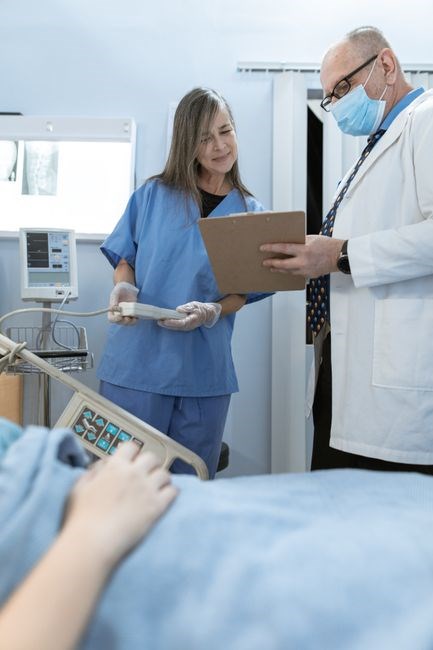
Effective teaching in nursing requires a blend of traditional and contemporary pedagogies that address diverse learner needs, promote critical thinking, and ensure clinical competence. Faculty should consider the following models when designing courses:
- Constructivist Approach: Encourages students to build knowledge through reflection, case studies, and collaborative problem‑solving, fostering deeper understanding of complex care scenarios.
- Experiential Learning: Integrates hands‑on simulations, clinical rotations, and community projects, allowing learners to apply theory in real‑world settings and receive immediate feedback.
- Flipped Classroom: Provides pre‑class materials (videos, readings) so that in‑class time is devoted to discussion, skill practice, and application, maximizing active engagement.
- Problem‑Based Learning (PBL): Presents authentic patient cases that require interdisciplinary research, diagnosis, and management plans, cultivating analytical and teamwork abilities.
- Social‑Constructivist Collaboration: Uses peer‑instruction, group projects, and interprofessional simulations to build communication skills and respect for diverse professional roles.
- Technology‑Enhanced Pedagogy: Employs virtual patients, adaptive learning platforms, and mobile apps to personalize instruction and track progress.
- Reflective Practice: Incorporates journals, debriefing sessions, and mentorship to help students critically evaluate their clinical decisions and professional growth.
When selecting a model, faculty should assess institutional resources, student demographics, and accreditation requirements. Combining multiple approaches—such as a flipped constructivist framework with simulation‑based experiential learning—often yields the most robust educational experience.
Assessment alignment is vital; learning objectives must map to formative and summative evaluations that reflect the chosen pedagogical strategy. For instance, simulation scenarios can be graded using objective structured clinical examination (OSCE) rubrics, while reflective journals may be evaluated through narrative feedback. Faculty should also incorporate peer assessment and self‑evaluation to promote metacognition.
Faculty development programs should provide training in facilitation skills, simulation design, and technology integration. Workshops on debriefing techniques, feedback delivery, and cultural competence enhance the educator’s ability to support diverse learners and maintain high instructional quality.
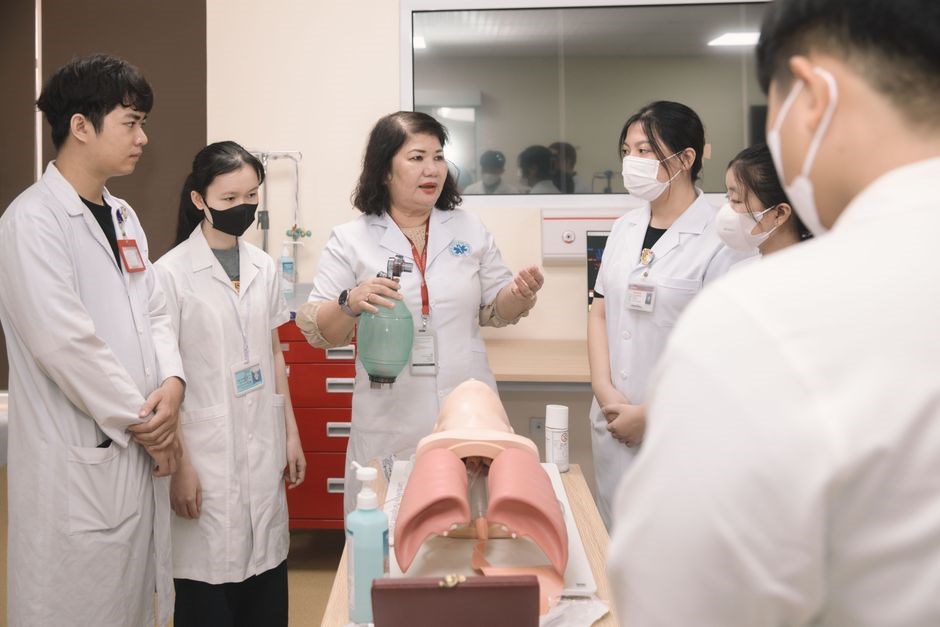
Simulation serves as the bridge between theoretical knowledge and clinical practice, allowing nursing students to develop technical skills, critical thinking, and professional judgment in a controlled, safe environment. Faculty design scenarios that reflect real‑world patient presentations, incorporating physiological variables, psychosocial dynamics, and interprofessional communication. High‑fidelity mannequins provide realistic tactile feedback and vital sign monitoring, while low‑fidelity task trainers focus on procedural steps and hand‑on skills. Virtual reality modules enable repeated exposure to rare emergencies, such as neonatal resuscitation or cardiac arrest, and support self‑paced learning with instant performance analytics. Standardized patients bring authentic emotional cues, fostering empathy, cultural competence, and patient‑centered communication. Interprofessional simulation labs bring together nursing, medicine, pharmacy, and allied health students, promoting teamwork, role clarification, and shared decision‑making. Faculty must align simulation objectives with accreditation standards, develop assessment rubrics that capture technical proficiency, clinical reasoning, and ethical conduct, and continuously evaluate outcomes to refine curriculum and ensure relevance to evolving evidence and practice guidelines. By integrating simulation into the core curriculum, nursing programs cultivate competent, confident, and compassionate clinicians ready to meet the challenges of modern healthcare.
Simulation fosters adaptive decision‑making, resilience, learning and for all nurses
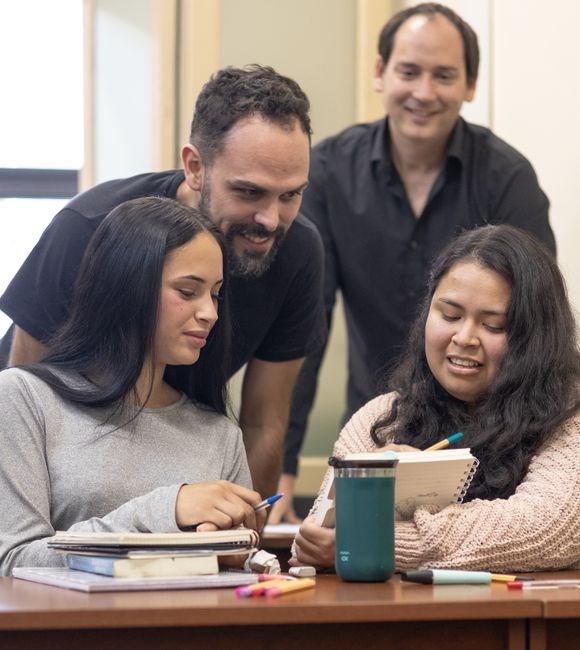
Assessment Methods for Nursing Competencies
Effective assessment of nursing competencies requires a multimodal framework that aligns with learning outcomes, accreditation mandates, and evolving clinical practice. Faculty employ formative tools such as direct observation checklists, bedside skill stations, and reflective journals to provide real‑time feedback during clinical rotations. Summative evaluation incorporates Objective Structured Clinical Examinations (OSCEs), high‑fidelity simulation scenarios, and standardized patient encounters, each scored against validated rubrics that capture technical proficiency, clinical reasoning, and professional behavior.
Competency‑based education (CBE) shifts the focus from time‑based progression to mastery of specific skill sets. In CBE, students must demonstrate competency through a portfolio of evidence, including video recordings, case analyses, and competency logs, before advancing. Assessment rubrics are developed collaboratively with clinical partners, ensuring relevance to current practice standards and interprofessional collaboration. Technology‑enhanced tools, such as e‑portfolio platforms and mobile assessment apps, streamline data collection and analytics, enabling faculty to track individual and cohort performance trends.
Feedback mechanisms are integral to the assessment cycle. Structured debriefings following simulation or OSCEs use the “I‑S‑T‑A‑R” model—Identify, Summarize, Teach, Apply, Review—to guide constructive dialogue. Peer assessment, facilitated through calibrated rubrics, promotes self‑reflection and critical appraisal skills. Moreover, summative summits, where students present evidence of competency to faculty and clinical mentors, reinforce accountability and professional identity formation.
Continuous quality improvement is embedded through data‑driven reviews of assessment outcomes. Faculty analyze item difficulty, inter‑rater reliability, and alignment with curricular objectives, adjusting instructional strategies and assessment instruments accordingly. This iterative process ensures that nursing education remains responsive to evidence‑based practice, regulatory changes, and the complex demands of contemporary healthcare delivery. | End of assessment section. More!
Technology Integration in Nursing Teaching
Technology integration transforms nursing pedagogy by embedding digital resources, virtual platforms, and data analytics into the learning continuum. Faculty harness learning management systems (LMS) to curate modular content, track engagement, and deliver adaptive quizzes that respond to individual mastery levels. Interactive e‑learning modules—such as animated pharmacology pathways, virtual anatomy labs, and patient‑safety simulations—provide scalable, repeatable experiences that complement hands‑on clinical practice. Augmented reality (AR) overlays allow students to visualize complex procedures on mannequins, while virtual reality (VR) environments immerse learners in realistic hospital settings, fostering situational awareness and decision‑making under pressure. Telehealth training modules, featuring live patient encounters via secure video links, prepare students for remote care delivery and interdisciplinary collaboration across geographic boundaries. Mobile applications and wearable sensors collect real‑time vital sign data, enabling students to practice monitoring, interpretation, and timely intervention in a controlled, data‑rich context. Artificial intelligence (AI) chatbots serve as 24/7 clinical tutors, offering scenario‑based questioning, instant feedback, and personalized study plans. Integration of electronic health record (EHR) simulators familiarizes learners with documentation workflows, coding, and compliance requirements, bridging the gap between classroom theory and clinical documentation standards. Data analytics dashboards aggregate assessment scores, engagement metrics, and skill acquisition rates, allowing faculty to identify learning gaps, tailor remediation, and demonstrate program effectiveness to accrediting bodies. By aligning technology tools with evidence‑based instructional design, nursing educators create a dynamic, learner‑centered environment that cultivates clinical competence, critical thinking, and lifelong learning skills essential for modern healthcare practice; Moreover, interprofessional simulation hubs, co‑located with allied health disciplines, promote collaborative practice and shared learning across the curriculum. Faculty can leverage open‑source simulation scripts and cloud‑based analytics to reduce costs and increase accessibility for diverse student populations. Finally, rigorous evaluation of technology adoption through mixed‑methods research informs best practices and supports evidence‑based curriculum redesign. This iterative cycle of assessment, reflection, and refinement sustains innovation in nursing education.

Faculty Development and Continuing Education
Faculty development is the cornerstone of sustained excellence in nursing education. Structured programs that blend formal workshops, peer‑reviewed coaching, and reflective practice empower instructors to refine pedagogical strategies, incorporate emerging evidence, and navigate evolving accreditation mandates. Contemporary models emphasize competency‑based learning, requiring faculty to demonstrate mastery in assessment design, simulation facilitation, and technology integration. Modern online micro‑credential courses, often hosted on institutional LMS platforms, provide flexible, modular learning that aligns with faculty workload constraints while ensuring up‑to‑date knowledge of clinical guidelines, regulatory changes, and best practices in patient safety. These courses are aligned with standards online and are available in languages! Mentorship networks, both vertical and horizontal, foster knowledge exchange across experience levels, encouraging novice instructors to adopt evidence‑based teaching methods and seasoned faculty to remain attuned to student‑centered innovations. Continuous quality improvement cycles, driven by data analytics from student performance metrics and course evaluations, enable faculty to identify gaps, tailor interventions, and document impact for accreditation reporting. Professional societies and accreditation bodies increasingly offer continuing education credits tied to specific competencies such as simulation leadership, cultural competence, and ethical decision‑making. Leveraging open‑access resources, webinars, and scholarly communities of practice ensures that faculty remain connected to the broader educational discourse. Ultimately, a robust faculty development ecosystem cultivates a culture of lifelong learning, elevates teaching quality, and translates into improved clinical outcomes for students and the communities they serve.

Student Engagement Techniques
Engaging nursing students demands a blend of active learning, technology, and reflective practice. Faculty can begin by mapping course objectives to student‑centered activities that promote inquiry and collaboration. Inquiry‑based modules, such as problem‑based learning scenarios, encourage learners to identify knowledge gaps, formulate hypotheses, and seek evidence from current literature. When combined with low‑stakes formative assessments, these activities provide immediate feedback that drives self‑regulation. Simulation labs, whether high‑fidelity mannequins or virtual reality environments, immerse students in realistic clinical situations, fostering critical thinking and decision‑making under pressure. Faculty should debrief simulations with structured reflection tools, prompting learners to analyze their actions, emotions, and outcomes. Formative assessment strategies such as think‑pair‑share, exit tickets, and concept maps give faculty immediate insight into student comprehension, enabling timely intervention. Incorporating gamification elements—badges, leaderboards, and progress trackers—can increase motivation, especially when tied to mastery of core competencies. Finally, cultivating a supportive learning climate through transparent communication, timely feedback, and culturally responsive pedagogy ensures that all students feel valued and empowered to succeed. Continuous evaluation of engagement strategies, using analytics from LMS data and student surveys, allows faculty to refine approaches and sustain high levels of participation throughout the curriculum. Active learning can also incorporate flipped classroom models, where students review lecture materials before class and engage in collaborative problem solving during sessions. Digital storytelling allows students to create patient narratives that highlight ethical dilemmas and cultural considerations, fostering empathy. By integrating these strategies, faculty can foster a learning culture that encourages reflective practice, promotes interdisciplinary collaboration, and equips students with the competencies required to navigate complex healthcare environments and resilience.!!…
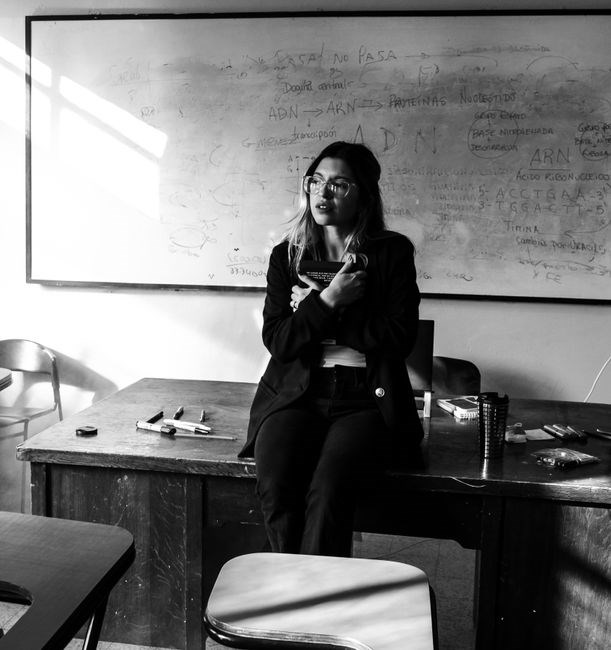
Promoting Professionalism and Ethics
Faculty model ethical decision‑making through case studies, reflective journals, and role‑play. Integrate the ANA Code of Ethics, promote accountability, and assess professionalism via rubrics. Encourage mentorship and community service to reinforce values. growth

Evidence-Based Practice in Teaching
Faculty embed evidence‑based practice (EBP) by guiding students through systematic literature searches, critical appraisal, and application to clinical scenarios. Structured modules begin with a clinical question, followed by PubMed or Cochrane database queries, and culminate in a written synthesis. Simulation labs allow students to test interventions derived from high‑quality studies, reinforcing the link between research and bedside care. Assessment rubrics evaluate search strategies, appraisal skills, and the ability to translate findings into patient‑centered care plans. Interprofessional teams collaborate on EBP projects, fostering shared ownership of outcomes. Continuous faculty development ensures educators remain current with methodological advances, enabling them to mentor students effectively. By integrating EBP into every learning activity, nursing programs cultivate clinicians who routinely use research to improve health outcomes.
Faculty also encourage students to critique meta‑analyses, assess risk of bias, and apply GRADE guidelines when formulating recommendations. Regular journal clubs foster dialogue on emerging evidence, while reflective essays link theory to practice. Integrating patient narratives ensures that evidence is contextualized within diverse health experiences, promoting culturally sensitive care. By embedding these practices into the curriculum, nursing educators create a culture of lifelong learning that directly translates into improved patient safety and quality of care. This fosters evidence driven practice now
Interprofessional Education Collaboration
Interprofessional education (IPE) in nursing curricula fosters collaborative competencies by engaging students from nursing, medicine, pharmacy, allied health, and social work in shared learning experiences. Faculty design joint case‑based modules that require interdisciplinary problem‑solving, role clarification, and mutual respect. Simulation scenarios are co‑facilitated, allowing participants to practice communication, delegation, and shared decision‑making in realistic contexts. Assessment tools include interprofessional performance rubrics that capture teamwork dynamics, conflict resolution, and patient‑centered outcomes. Reflective debriefings emphasize the value of diverse perspectives and the impact of collective expertise on care quality. Scheduling coordination across departments ensures that IPE sessions align with each discipline’s learning objectives, while faculty co‑mentoring promotes cross‑disciplinary mentorship. Technology platforms, such as virtual patient portals and collaborative e‑learning spaces, support asynchronous IPE activities, expanding reach beyond physical constraints. Continuous quality improvement cycles gather feedback from students and faculty, enabling iterative refinement of IPE content and delivery methods. By embedding IPE throughout the curriculum, nursing educators cultivate professionals who are adept at interprofessional collaboration, ultimately enhancing patient safety, reducing errors, and improving health outcomes across the continuum of care. Lifelong learning is embedded here!
Cultural Competence in Nursing Curriculum
Integrating cultural competence into nursing curricula demands a deliberate, evidence‑based approach that aligns learning objectives with the core competencies defined by national accrediting bodies. Faculty design modules that explore health disparities, social determinants of health, and the impact of implicit bias on patient outcomes. Case studies featuring diverse patient populations illustrate how cultural beliefs, language barriers, and traditional healing practices shape care decisions. Simulation labs employ standardized patients from varied ethnic backgrounds, enabling students to practice respectful communication, interpreter use, and culturally tailored care plans. Interdisciplinary seminars with community leaders, faith‑based organizations, and patient advocates provide authentic perspectives, fostering empathy and cultural humility. Assessment tools such as reflective journals, portfolio artifacts, and objective structured clinical examinations (OSCEs) evaluate students’ ability to recognize bias, adapt communication strategies, and deliver patient‑centered care. Faculty continuously refine content through feedback loops involving students, community partners, and peer reviewers, ensuring that the curriculum remains responsive to evolving cultural dynamics and health equity goals.
abcdefghijklmnopqrstuvwxyzabcdefghijklmnopqrstuvwxyzabcdefghijklmnopqrstuvwxyzabcdefghijklmnopqrstuvwxyzabcdefghijklmnopqrstuvwxyzabcdefghijklmnopqrstuvwxyzabcdefghijklmnopqrstuvwxyzx
Reflective Practice for Faculty Improvement
Reflective practice is a cornerstone of faculty development, enabling educators to critically examine teaching strategies, student interactions, and curriculum effectiveness. By systematically documenting classroom experiences, faculty can identify patterns, challenge assumptions, and refine pedagogical approaches. Structured reflection tools—such as Gibbs’ reflective cycle, Schön’s reflective model, or the “What? So What? Now What?” framework—provide a scaffold for analyzing events, emotions, and future actions. Journaling, peer discussion groups, and video‑review sessions create multiple lenses for insight. Evidence from recent studies shows that faculty who engage in reflective practice demonstrate higher teaching efficacy, improved student engagement, and stronger alignment with accreditation standards. Integrating reflective practice into faculty evaluation processes encourages a culture of continuous improvement. Institutions can support this by offering dedicated time, training workshops, and mentorship programs that emphasize reflective dialogue. Moreover, reflective practice dovetails with interprofessional education, allowing faculty to assess collaborative teaching dynamics and adapt to diverse learner needs. Ultimately, reflective practice transforms faculty from passive transmitters of knowledge into reflective practitioners who model lifelong learning for their students.
To operationalize reflective practice, faculty should schedule regular reflection sessions and document insights in a structured log. Digital platforms such as reflective blogs or LMS modules can facilitate peer feedback and longitudinal tracking. Analysis of logs can reveal recurring challenges—such as managing diverse learning styles or integrating technology—allowing targeted professional development. Faculty may also employ action research projects, where reflective cycles inform hypothesis, data collection, and iterative refinement of teaching interventions. By embedding reflective practice into promotion criteria, institutions signal its strategic importance, encouraging faculty to invest time and effort. Ultimately, sustained reflective engagement not only elevates teaching quality but also cultivates a resilient faculty workforce capable of navigating the evolving landscape of nursing education. Continuous reflection promotes daily excellence today.
Simulation Scenario Design and Implementation
Designing realistic simulation scenarios requires a systematic approach that aligns learning objectives with clinical realities. Start by selecting a core competency—such as airway management or medication reconciliation—and map it to specific student outcomes. Next, develop a narrative that situates the scenario in a plausible clinical context, incorporating patient history, vital signs, and environmental cues. Use evidence‑based protocols to script patient responses, ensuring that the scenario challenges students to apply critical thinking and clinical judgment.
Implementation begins with resource assessment: confirm availability of high‑fidelity manikins, standardized patient actors, and technology for recording performance. Train faculty and simulation technicians on scenario flow, debriefing techniques, and troubleshooting. During the simulation, maintain fidelity by allowing students to interact with the environment, manipulate equipment, and communicate with team members. Capture data through video, checklists, and self‑assessment tools.
Debriefing is the heart of learning. Use a structured framework like the “Gather‑Analyze‑Summarize” model to guide reflection on actions and decisions. Provide formative feedback to reinforce correct practices and identify gaps. Revise the scenario based on outcomes, ensuring content stays current with evolving guidelines.
Finally, assess the scenario’s effectiveness with scores, reflections, and faculty observations. Share findings in meetings and publish best practices to advance nursing education.
Assessment Rubrics and Feedback Mechanisms
Creating robust assessment rubrics is essential for transparent, objective evaluation of nursing competencies. Begin by articulating clear, measurable learning outcomes that reflect both technical skills and professional behaviors. Translate each outcome into observable criteria, assigning weighted scores that reflect clinical importance. Use a multi‑tiered rubric—basic, intermediate, advanced—to accommodate diverse skill levels and promote progressive mastery.
Integrate formative checkpoints throughout the curriculum. For simulation labs, embed immediate debriefing prompts that capture student decision points and reasoning. Employ peer‑assessment tools, allowing learners to critique each other’s performance against rubric standards, fostering reflective practice and collaborative learning. Combine these with faculty‑led summative evaluations that synthesize evidence from simulation recordings, written reflections, and clinical logs.
Feedback mechanisms should be timely, specific, and actionable. Adopt the “SBI” (Situation‑Behavior‑Impact) model to structure comments: describe the observed situation, the behavior exhibited, and the impact on patient safety or team dynamics. Encourage self‑assessment by providing students with rubric copies, prompting them to rate their own performance before receiving instructor input. This metacognitive step enhances ownership of learning.
Leverage technology to streamline data collection and analysis. Learning management systems can auto‑grade checklists, while video analytics tools can flag critical errors. Aggregate rubric scores into dashboards that reveal trends across cohorts, informing curriculum adjustments and faculty development initiatives. Regularly review rubric alignment with accreditation standards and emerging evidence‑based practices to maintain relevance.