Fork Truck Manual: A Comprehensive Guide
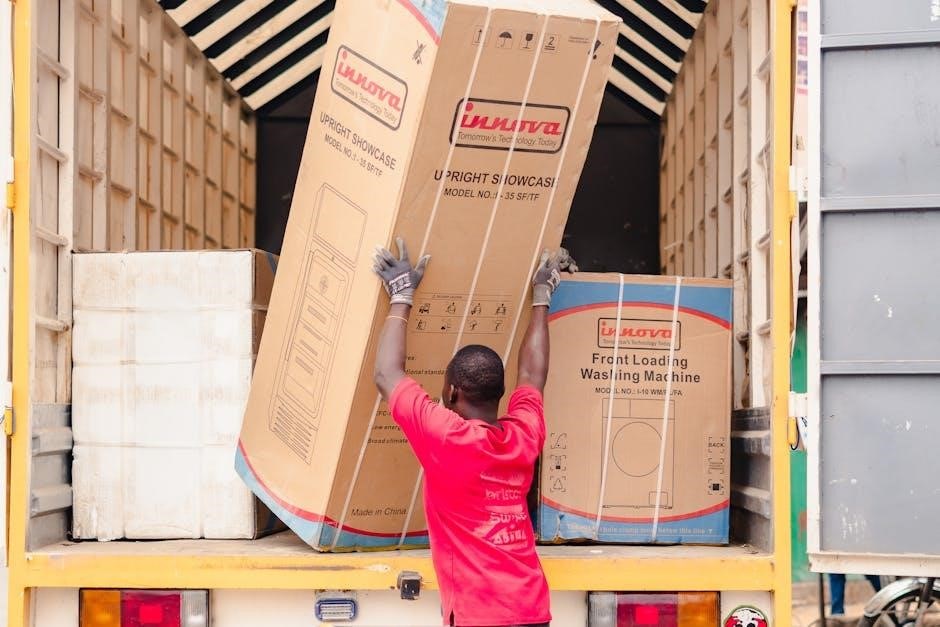
This comprehensive guide details operation, maintenance, and troubleshooting for forklifts, including Toyota and Nissan models,
ensuring safe and efficient use․ It addresses common login issues and provides insights into advanced features․
Fork trucks, commonly known as forklifts, are indispensable pieces of material handling equipment utilized across a vast spectrum of industries – from warehousing and logistics to manufacturing and construction․ These powered industrial trucks are designed for lifting and transporting materials over short distances, significantly enhancing operational efficiency and productivity․ Understanding the fundamental principles of forklift operation, safety protocols, and maintenance procedures is paramount for all operators and personnel involved in logistics․
This manual serves as a foundational resource, providing a comprehensive overview of forklift technology, encompassing various types, operational best practices, and crucial safety regulations․ It’s designed to equip users with the knowledge necessary to operate forklifts safely and effectively, minimizing risks and maximizing performance․ Proper training and adherence to the guidelines outlined within this manual are essential for preventing accidents and ensuring a secure working environment․
Types of Fork Trucks
Forklifts aren’t a one-size-fits-all solution; they come in diverse configurations tailored to specific needs․ Counterbalance forklifts, the most prevalent type, utilize a weight at the rear to offset the load․ Reach trucks excel in narrow aisle operations, maximizing storage density․ Order pickers facilitate efficient order fulfillment within warehouses․ Pallet jacks, both manual and powered, are ideal for horizontal transport of palletized goods․
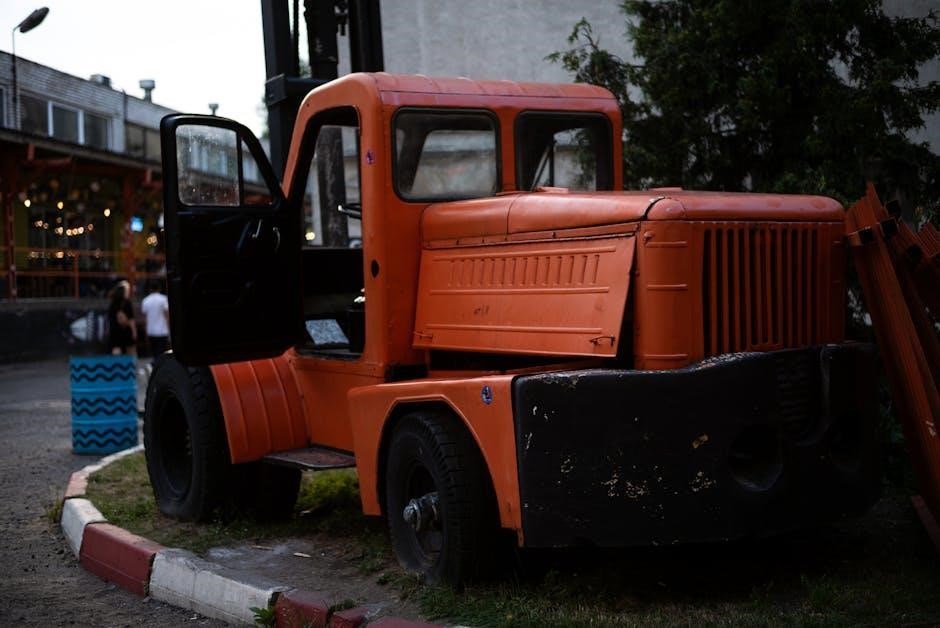
Furthermore, forklifts are categorized by their power source: internal combustion (IC) models, running on propane or diesel, are suited for outdoor use, while electric forklifts offer quieter, emission-free operation indoors․ Rough terrain forklifts, equipped with large tires and robust construction, handle uneven surfaces․ Selecting the appropriate forklift type is crucial for optimizing performance, safety, and cost-effectiveness within a given application․
Fork Truck Safety Regulations
Prioritizing safety is paramount when operating a forklift․ OSHA regulations mandate comprehensive training and certification for all operators, covering vehicle inspection, safe operating procedures, and hazard recognition․ Regular inspections are crucial, verifying functionality of brakes, steering, forks, and safety devices like horns and lights․ Load limits must never be exceeded, and loads should be properly secured and centered․
Pedestrian safety is also critical; designated walkways and clear visibility are essential․ Operators must maintain a safe speed, avoid sudden stops or turns, and be aware of their surroundings․ Proper use of personal protective equipment (PPE), including safety shoes and high-visibility vests, is required․ Adherence to these regulations minimizes the risk of accidents and ensures a safe working environment․
Operating Procedures
Mastering forklift operation requires diligent pre-checks, smooth starting/shutdown routines, and precise loading/unloading techniques for optimal performance and safety․
Pre-Operational Checks
Before each shift, a thorough pre-operational inspection is crucial for safe and efficient forklift operation․ Begin by visually inspecting the tires for proper inflation and damage, checking for cuts or wear․ Examine the forks themselves, ensuring they are straight, free of cracks, and securely mounted to the carriage․
Next, verify fluid levels – engine oil, coolant, hydraulic fluid, and brake fluid – topping off as needed․ Test the horn, lights (headlights, taillights, and warning lights), and backup alarm to confirm functionality․ Inspect the safety features, including the seatbelt, overhead guard, and any load backrest extensions․
Finally, check the steering for smooth operation and responsiveness․ A quick operational test of the lift and tilt mechanisms, without a load, will reveal any immediate hydraulic issues․ Documenting these checks ensures accountability and proactive maintenance, preventing potential accidents and downtime․
Starting and Shutting Down
Proper starting and shutdown procedures are vital for forklift longevity and operator safety․ To start, ensure the parking brake is engaged, the transmission is in neutral, and the operator presence system (OPS) is functioning․ Turn the ignition key and allow the engine to warm up before operation, observing all gauges for normal readings․
When shutting down, lower the forks completely to the ground, shift the transmission into neutral, and firmly apply the parking brake․ Turn the ignition key to the ‘off’ position and remove the key to prevent unauthorized use․
For electric forklifts, follow the specific shutdown sequence outlined in the manufacturer’s manual, often involving disabling the power supply․ Always allow the forklift to cool down before performing any maintenance․ Consistent adherence to these procedures minimizes wear and tear and ensures a safe working environment․
Loading and Unloading Procedures
Safe loading and unloading are paramount to prevent accidents and damage․ Before lifting, inspect the load for stability and ensure it’s within the forklift’s capacity․ Tilt the mast back slightly to stabilize the load during transport․ Approach the load slowly and squarely, ensuring the forks are fully inserted under the pallet․
When unloading, reverse the process with caution, maintaining a slow and controlled speed․ Avoid sudden stops or turns․ Always look in the direction of travel and be aware of surrounding personnel․
Never exceed the forklift’s rated capacity, and distribute the load evenly․ Utilize load stability control systems if equipped․ Proper stacking techniques are crucial for secure transport and storage, minimizing the risk of load shifting or falling․

Maintenance and Repair
Regular maintenance extends forklift life and ensures safety․ This section covers daily checks, scheduled servicing, battery care, and engine upkeep for optimal performance․
Daily Maintenance Checks
Prior to each shift, a thorough daily inspection is crucial for safe and efficient forklift operation․ Begin by visually inspecting the tires for damage, proper inflation, and adequate tread depth․ Check all fluid levels – engine oil, coolant, hydraulic fluid, and brake fluid – topping off as needed․ Examine the forks themselves for cracks, bends, or wear, and ensure the carriage moves smoothly․
Inspect the safety features, including the horn, lights (headlights, taillights, and warning lights), and backup alarm, verifying they are functioning correctly․ Check the steering for responsiveness and any unusual play․ Don’t forget to inspect the seatbelt and ensure it’s in good working order․ Finally, briefly examine the battery connections (for electric forklifts) for corrosion or loose connections․ Documenting these checks helps track potential issues and maintain a reliable forklift․
Scheduled Maintenance Schedules
Regular, scheduled maintenance is vital for extending the lifespan and reliability of your forklift․ Maintenance intervals vary based on usage and forklift type, but a common schedule includes checks at 250, 500, 1000, and 2000 operating hours․ At 250 hours, focus on lubrication of moving parts and a general inspection․ 500-hour services typically involve oil and filter changes, along with a more detailed inspection of brakes and steering․
1000-hour services often include coolant flushes, spark plug replacements (for internal combustion engines), and hydraulic system checks․ 2000-hour services are more comprehensive, potentially including transmission servicing and major component inspections․ Maintaining a detailed log of all scheduled maintenance performed is essential for warranty compliance and tracking forklift health․

Battery Maintenance (Electric Forklifts)
Proper battery maintenance is crucial for electric forklift performance and longevity․ Always use approved charging equipment and ensure the charging area is well-ventilated․ Regularly check electrolyte levels, adding distilled water only when necessary – never tap water․ Keep battery terminals clean and corrosion-free, applying a protective coating․
Equalization charging (a longer, slower charge) should be performed periodically to balance cell voltages and prevent stratification․ Avoid deep discharging the battery, as this reduces its lifespan․ Inspect battery cables for damage and replace them if needed․ Following these guidelines will maximize battery life and minimize downtime, ensuring consistent operation․
Engine Maintenance (Internal Combustion Forklifts)
Maintaining the engine of an internal combustion forklift is vital for reliable operation․ Regularly check engine oil levels and change the oil according to the manufacturer’s schedule, using the specified grade․ Inspect and replace air filters to ensure proper combustion and prevent engine wear․ Examine the cooling system, checking coolant levels and hoses for leaks or damage․

Fuel system maintenance includes checking fuel lines and filters for contamination․ Regularly inspect the spark plugs (for gasoline engines) or glow plugs (for diesel engines) and replace them as needed․ Proper engine maintenance extends the forklift’s lifespan and minimizes costly repairs, ensuring consistent performance․
Troubleshooting Common Issues
Diagnosing forklift problems quickly is key; this section covers starting failures, hydraulic malfunctions, steering difficulties, and electrical faults for swift resolution․
Forklift Won’t Start
A forklift failing to start can stem from several causes, demanding a systematic approach to diagnosis․ First, verify the battery charge – low voltage is a frequent culprit, especially in electric models․ Check the battery connections for corrosion or looseness, ensuring a solid electrical pathway․ For internal combustion forklifts, confirm sufficient fuel levels and inspect the fuel filter for obstructions․
Next, examine the ignition system; a faulty ignition switch or solenoid can prevent engine turnover․ Inspect the starter motor itself, listening for a clicking sound which may indicate a failing solenoid or a dead battery․ Consider safety interlocks – the forklift won’t start if the operator isn’t properly seated or the parking brake isn’t engaged․ Finally, review any recent error codes displayed on the forklift’s control panel, as these can pinpoint the specific issue requiring attention․ Remember to consult the specific model’s manual for detailed troubleshooting steps․
Hydraulic System Problems
Hydraulic system malfunctions can severely impair forklift functionality, impacting lifting and tilting capabilities․ Common issues include low hydraulic fluid levels, often caused by leaks in hoses, cylinders, or the pump itself․ Inspect all hydraulic lines and connections for visible leaks, addressing them promptly to prevent further fluid loss and potential environmental hazards․
A failing hydraulic pump can result in insufficient pressure, leading to slow or erratic lifting․ Air trapped within the system can also cause inconsistent operation; bleeding the system may resolve this․ Check the hydraulic fluid filter – a clogged filter restricts flow and reduces system efficiency․ Finally, examine the hydraulic cylinders for internal leaks or damage, which may require professional repair or replacement․ Always prioritize safety when working with hydraulic systems, as pressurized fluid can be dangerous․
Steering Issues
Steering problems on a forklift can compromise maneuverability and safety, demanding immediate attention․ Common causes include low power steering fluid levels (for models equipped with power steering), or issues within the steering linkage itself․ Inspect the steering cylinder and hoses for leaks, and top up fluid as needed, ensuring you use the correct type specified in your forklift’s manual․
Difficulty steering, or a feeling of looseness, could indicate worn tie rod ends or steering gear components․ Check for play in the steering wheel and linkage․ Tire pressure significantly impacts steering responsiveness; ensure all tires are properly inflated․ If the steering feels unusually stiff, investigate potential obstructions or binding within the steering mechanism․ Regular inspection and maintenance of the steering system are crucial for safe operation․
Electrical System Faults
Forklift electrical systems are complex, and faults can manifest in various ways, from complete shutdowns to intermittent operational issues․ Common problems include blown fuses, faulty wiring connections, and malfunctioning sensors․ Always begin troubleshooting by checking the battery charge and connections – a weak battery is a frequent culprit․ Inspect fuses for continuity using a multimeter, replacing any that are blown with the correct amperage rating․
Loose or corroded wiring connections can disrupt electrical flow; clean and tighten all connections․ If the forklift experiences erratic behavior, suspect a faulty sensor or controller․ Consult the forklift’s wiring diagram for accurate identification of components․ Remember to disconnect the battery before performing any electrical repairs to prevent short circuits and ensure safety․
Advanced Features & Technologies
Modern forklifts integrate Operator Presence Systems (OPS), load stability control, and telematics for enhanced safety, efficiency, and fleet management capabilities․
Operator Presence System (OPS)
The Operator Presence System (OPS) is a crucial safety feature in modern forklifts, designed to prevent operation when the operator isn’t securely in the designated seat․ This system typically utilizes a weight sensor integrated into the operator’s seat․ If insufficient weight is detected – indicating the operator isn’t present – the OPS immediately disables critical forklift functions, including lifting, lowering, and travel․
OPS significantly reduces the risk of accidents caused by unauthorized use or accidental activation․ Some advanced OPS systems also incorporate seatbelt interlocks, requiring the operator to fasten their seatbelt for operation․ Regular testing of the OPS is vital during pre-operational checks to ensure its functionality․ A malfunctioning OPS must be addressed immediately before operating the forklift, prioritizing operator safety and preventing potential hazards within the work environment․
Load Stability Control Systems
Load Stability Control Systems are advanced technologies enhancing forklift safety by minimizing the risk of tip-overs․ These systems actively monitor load weight, lift height, and forklift speed, calculating the center of gravity and stability limits in real-time․ When approaching instability, the system intervenes, automatically reducing lift height or limiting travel speed to restore stability․
Different systems employ various sensors and algorithms to achieve this control․ Some utilize load moment indicators (LMIs) providing visual or audible warnings, while others feature automatic load centering or tilt control․ Proper understanding of the specific system installed on your forklift is crucial․ Regular calibration and maintenance of these systems are essential for reliable operation․ Operators should never attempt to override or disable load stability controls, as they are designed to prevent serious accidents and protect personnel․
Telematics and Fleet Management
Telematics systems represent a significant advancement in forklift fleet management, offering real-time data and insights into forklift usage and performance․ These systems utilize GPS and wireless communication to track location, operating hours, fuel consumption, and driver behavior․ Fleet managers can leverage this data to optimize forklift utilization, reduce operational costs, and improve safety․
Key features include impact monitoring, pre-shift inspection reminders, and automated reporting․ Data analysis can identify inefficient driving habits, potential maintenance needs, and unauthorized forklift use․ Integration with fleet management software allows for centralized control and streamlined workflows․ Implementing a telematics solution requires careful consideration of data privacy and security protocols․ Regular data review and analysis are crucial to maximizing the benefits of this technology and ensuring a safe, productive operation․

Specific Forklift Models & Manuals
Access detailed resources for Toyota and Nissan forklifts, including operator manuals and troubleshooting guides, to ensure optimal performance and safe operation․
Toyota Forklift Manuals
Toyota forklifts are renowned for their reliability and durability, and accessing the correct manual is crucial for maintaining peak performance․ This section provides a gateway to a comprehensive collection of Toyota forklift manuals, covering a wide range of models and production years․
Whether you require a basic operator’s guide, a detailed maintenance schedule, or in-depth troubleshooting instructions, you’ll find it here․
These manuals detail pre-operational checks, proper loading and unloading procedures, and essential safety regulations specific to Toyota forklifts․ They also offer guidance on daily maintenance tasks, scheduled servicing, and specific component repairs․
Understanding your forklift’s unique features, as outlined in the manual, will maximize efficiency and minimize downtime․
Always refer to the manual for the correct specifications and procedures for your particular Toyota model․
Nissan Forklift Manuals
Nissan forklifts are recognized for their robust engineering and innovative features, and having the appropriate manual is essential for optimal operation and longevity․ This section serves as a central resource for Nissan forklift manuals, encompassing diverse models and manufacturing dates․
Locate guides for operators, maintenance personnel, and repair technicians, ensuring access to the information you need;
These manuals provide detailed instructions on pre-operational inspections, safe loading techniques, and adherence to crucial safety protocols specific to Nissan forklifts․ They also outline daily maintenance routines, scheduled service intervals, and procedures for addressing common mechanical issues․
Familiarizing yourself with your Nissan forklift’s specific characteristics, as detailed in the manual, will enhance productivity and reduce potential problems․ Always consult the manual for accurate specifications and procedures relevant to your Nissan model․